Industries / Ports & Logistics
Reefers, yard trucks, and cargo handlers all need power the grid can't deliver fast enough. SparkCharge brings megawatt-scale charging on-site in days, no substation upgrade.
Live in days
$0 capex
24/7 duty cycle
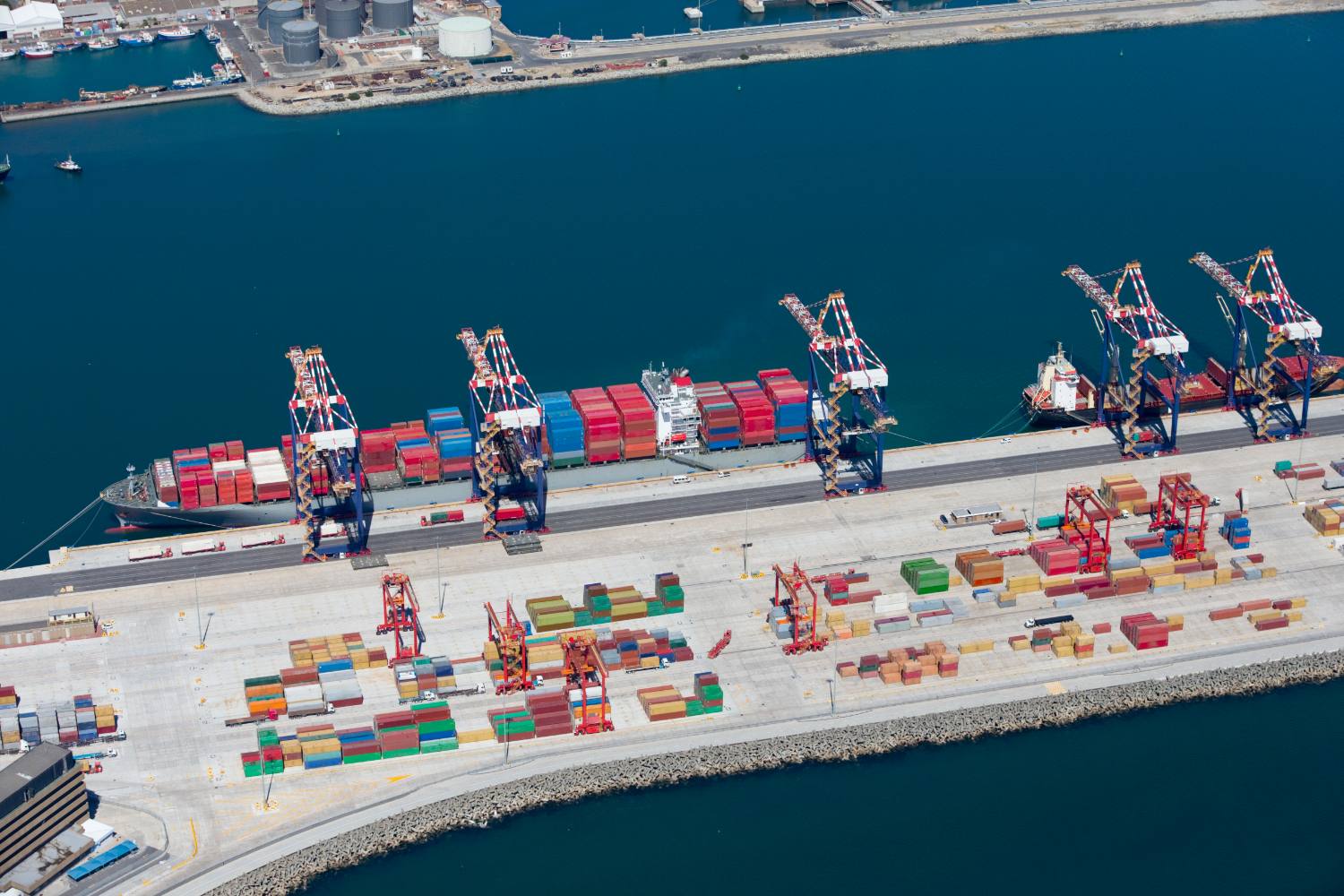
Terminal load · 24h
Powering
2.4
MW on-site
860 kW
reefers
640 kW
yard trucks
900 kW
STS cranes
Built for Ports & logistics
Service · recommended
→
Charging-as-a-Service
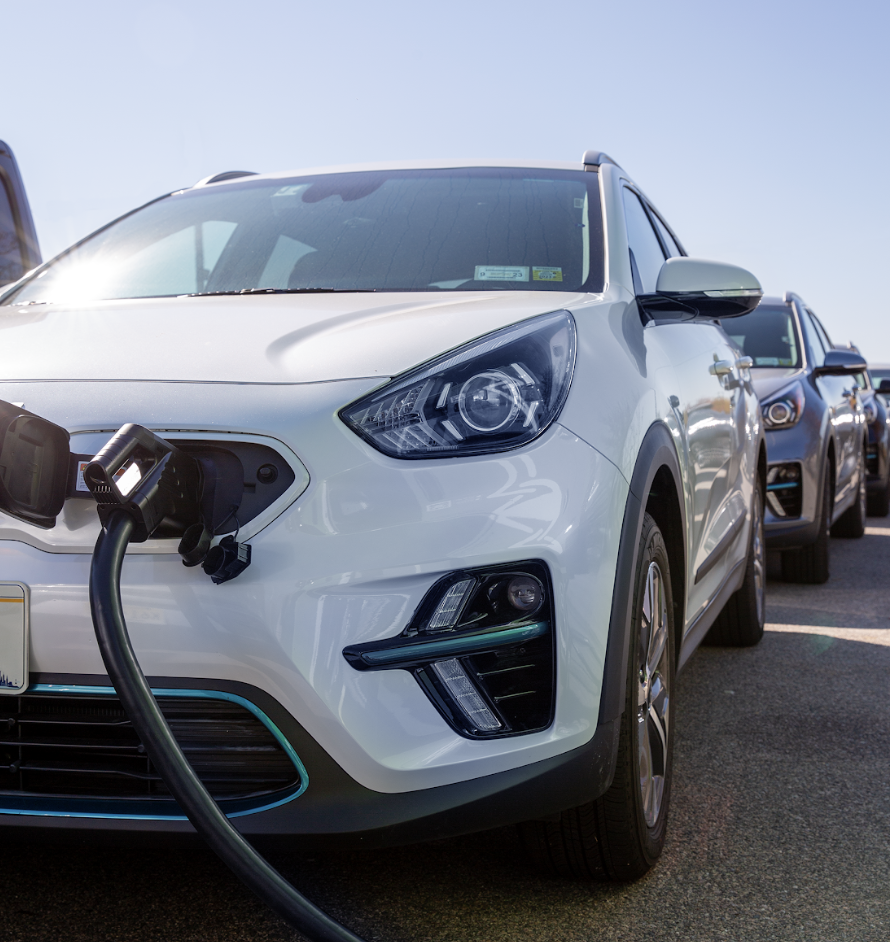
A fully managed charging operation for your AV fleet. SparkAI dispatches every session autonomously, you pay per kWh delivered.
Explore CaaSProduct
→
Battery Energy Storage (BESS)
On-site storage delivers high-power charging around the clock without a grid upgrade, so duty cycles never wait on the utility.
Explore BESS SolutionsProduct
→
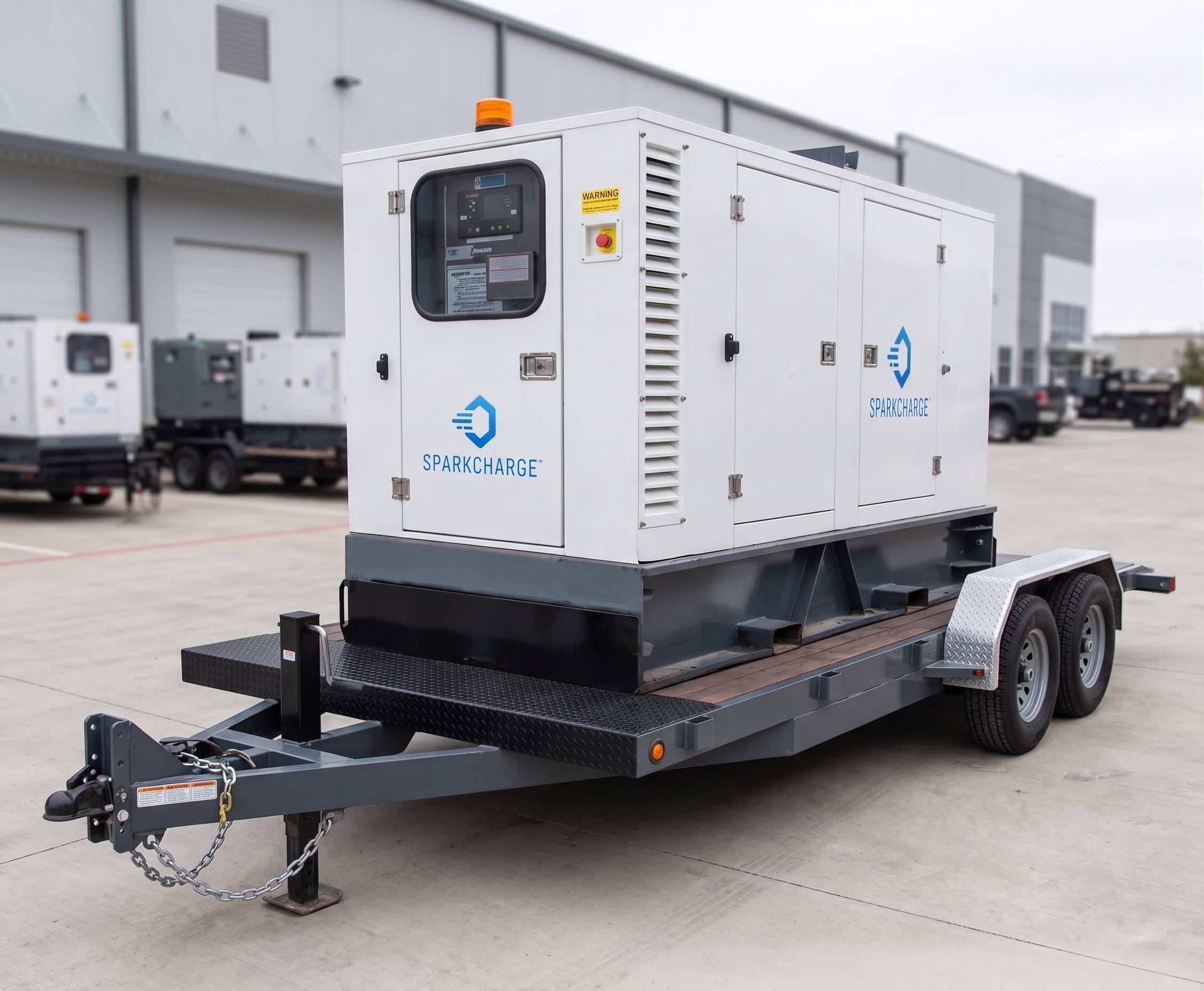
Clean, quiet on-site generation that pairs with storage to keep charging live even with zero grid connection.
Explore PowerHub SolutionsPowerHub Generation
Charging-as-a-Service
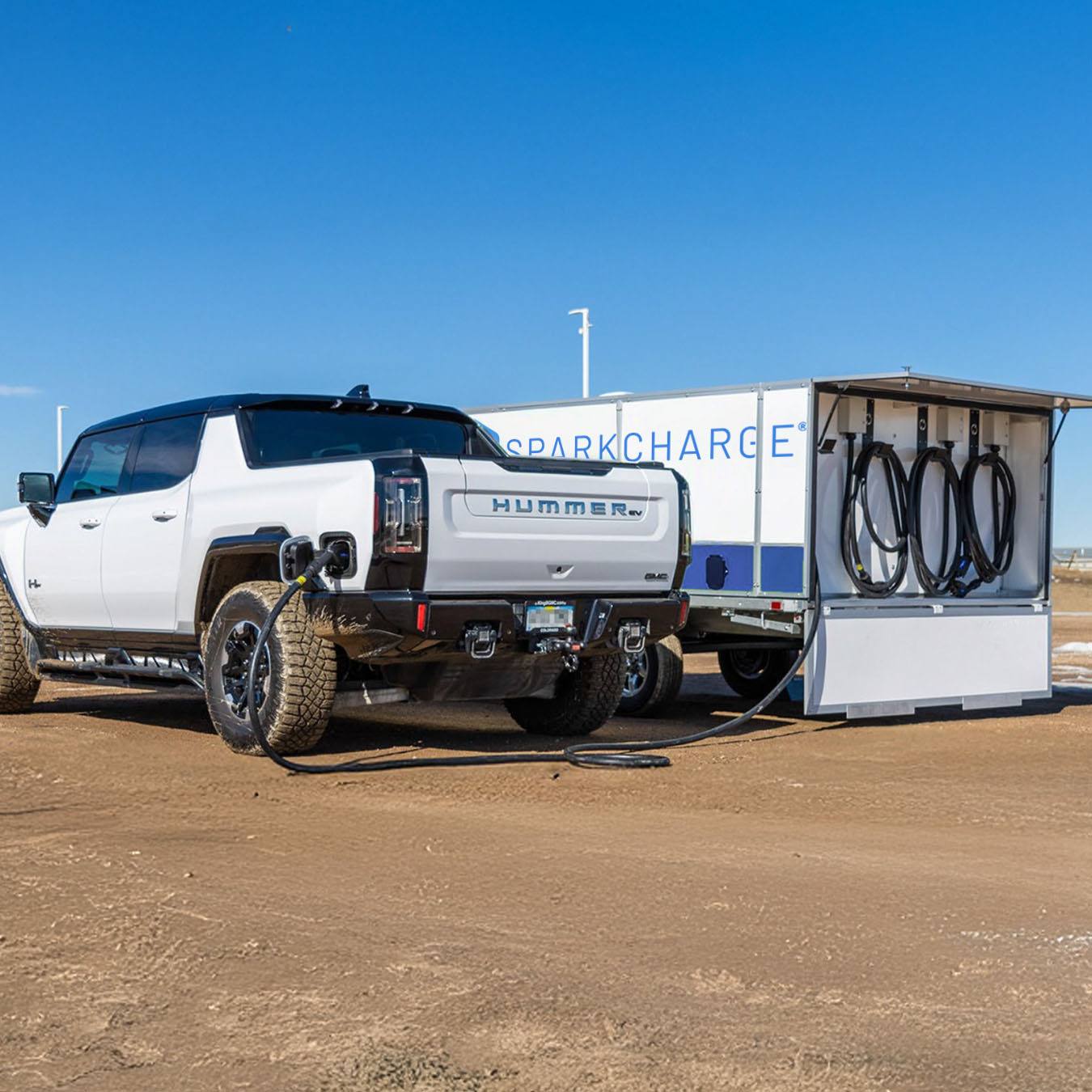
SparkCharge deploys and operates the whole system, and SparkAI dispatches every session, so a driverless fleet never waits on a person to plug in.
$0
upfront capex
24/7
autonomous
99.9%
uptime
The utility route
Years waiting on a substation or feeder upgrade
Electrification mandates arriving faster than grid capacity
Noisy backup equipment, increasingly restricted at ports
Peak demand charges that punish 24/7 cargo operations
The SparkCharge route
Megawatts on-site in days, no substation upgrade
$0 capex, pay for energy delivered
Clean, quiet battery + PowerHub options for tightening port rules
AI-optimized solutions to maximize energy efficiency

SparkCharge has been named to ForbesBLK's inaugural list of 25 Top Black-Owned Businesses To Watch, recognizing companies selected for revenue, growth, longevity, and industry reputation.

For most of the past century, energy strategy was not really a strategy at all. You identified a site, applied for a utility connection, waited for it to arrive, and built your operation around it. The grid was the answer to every power question, and the only variable was how long you had to wait.
Contact us
Tell us about your operation and we'll map the fastest path to clean power on-site, usually within days. A SparkCharge energy expert will follow up shortly.
FAQ
Have another question? Reach out and our team will get you answers.
Contact Our Team ↗01
How can ports add electrified equipment without a grid capacity upgrade?
▾
SparkCharge deploys megawatt-scale battery storage and on-site generation directly to your terminal, so reefers, yard trucks, and cargo handlers get full power without waiting on a substation or feeder upgrade. Most terminals go live in days instead of the years a grid capacity expansion can take.
02
How much power does a port terminal need for electrification?
▾
Terminal power needs vary by equipment mix and site size, but reefers, yard trucks, and STS cranes can collectively draw multiple megawatts during peak operation. SparkCharge sizes on-site battery and PowerHub generation capacity to your terminal's actual load, scaling as you electrify more equipment without waiting on grid capacity.
03
Do port electrification projects require a substation upgrade?
▾
Not with SparkCharge. On-site battery storage and PowerHub generation are deployed directly to your terminal, delivering megawatt-scale power without a new substation or feeder upgrade. This lets terminals electrify equipment on their own timeline instead of the multi-year utility process a substation upgrade can require.
04
Can SparkCharge help avoid peak demand charges at a port terminal?
▾
Yes. Our AI-monitored solutions manage load across the whole yard and shave peak demand by dispatching stored energy during high-usage periods, reducing the demand charges that typically punish 24/7 cargo operations. This keeps costs predictable even as equipment runs around the clock.