Industries / Autonomous Vehicles
An idle AV earns nothing. SparkCharge delivers always-on, autonomous charging that keeps your driverless fleet on the road, no grid buildout, no attendants.

Fleet ops · live
Dispatching
37
charging now
autonomous dispatch · no attendant on-site
AV-114
82%
AV-207
54%
AV-338
96%
99.9%
fleet uptime
24/7
runtime
Unlimited
capacity
Built for autonomous fleets
Service · recommended
→
Charging-as-a-Service
A fully managed charging operation for your AV fleet. SparkAI dispatches every session autonomously, you pay per kWh delivered.
Explore CaaSProduct
→
Battery Energy Storage (BESS)
On-site storage delivers high-power charging around the clock without a grid upgrade, so duty cycles never wait on the utility.
Explore BESS SolutionsProduct
→
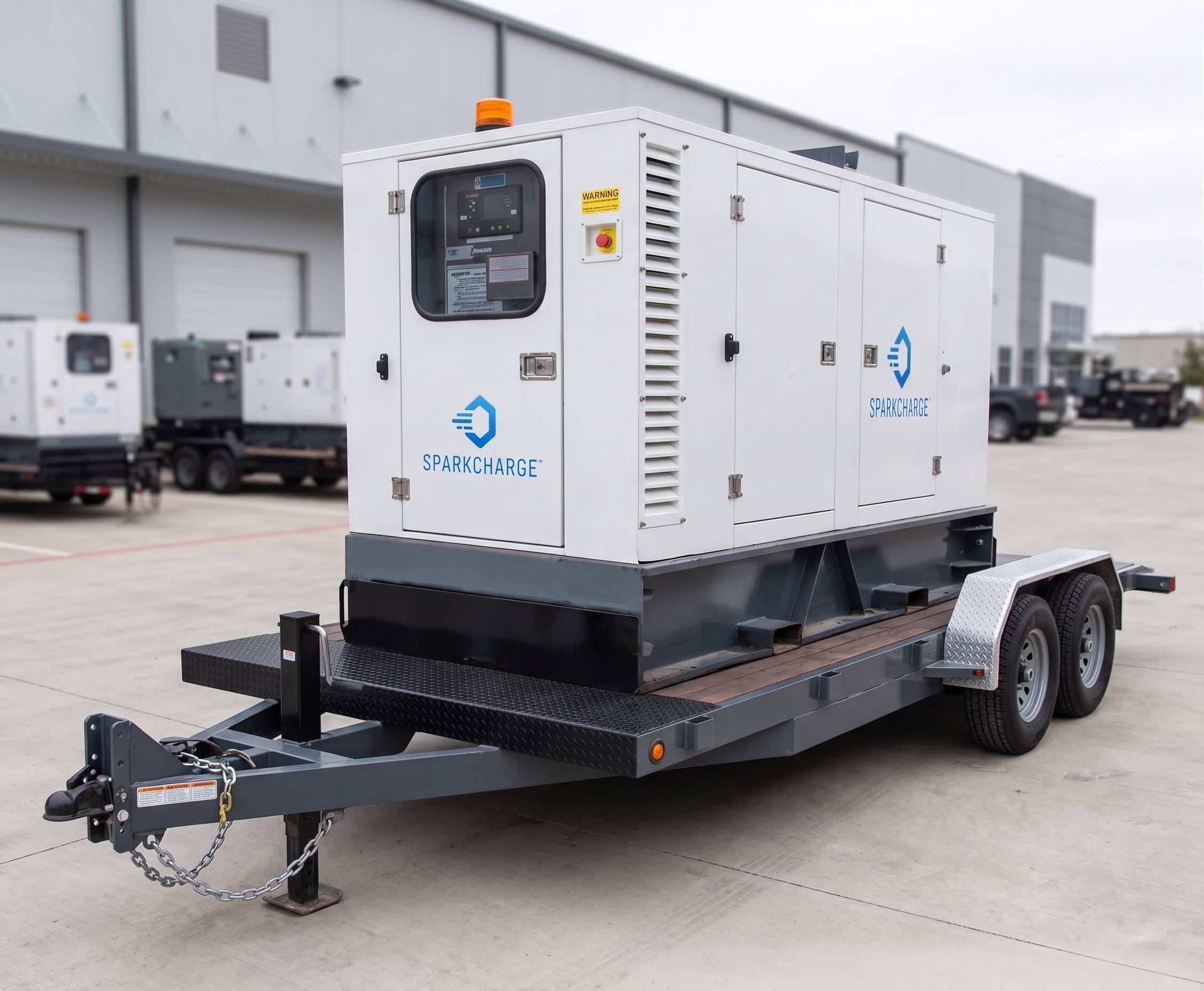
PowerHub Generation
Clean, quiet on-site generation that pairs with storage to keep charging live even with zero grid connection.
Explore PowerHub Solutions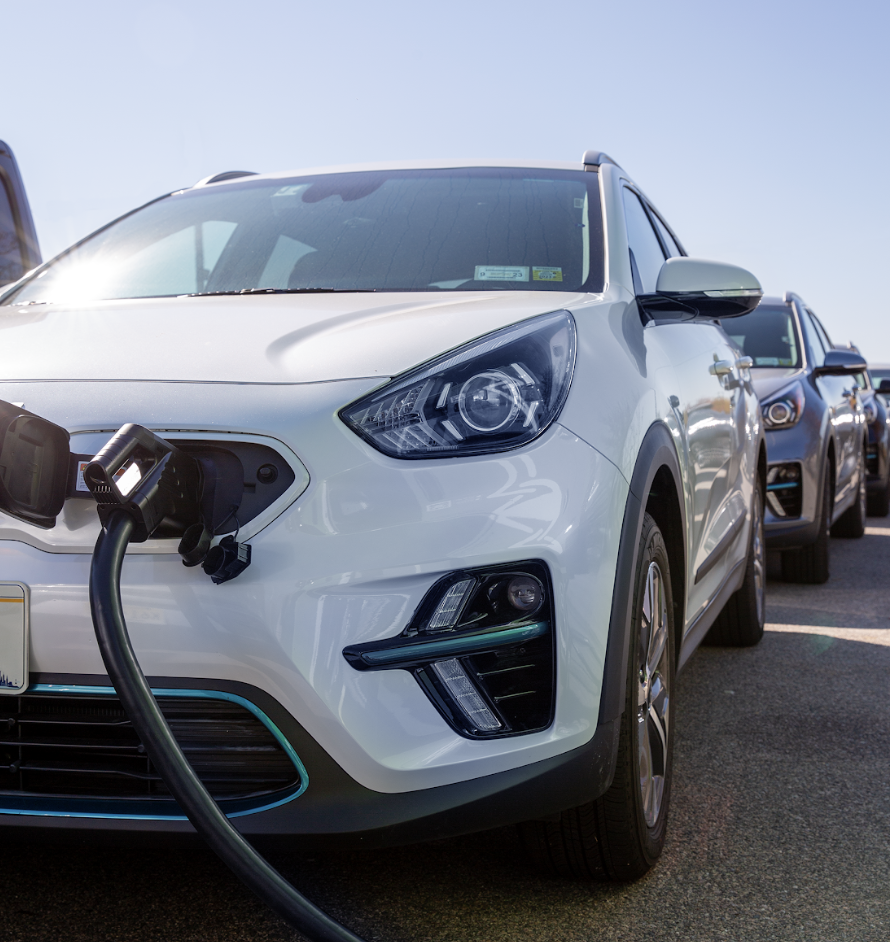
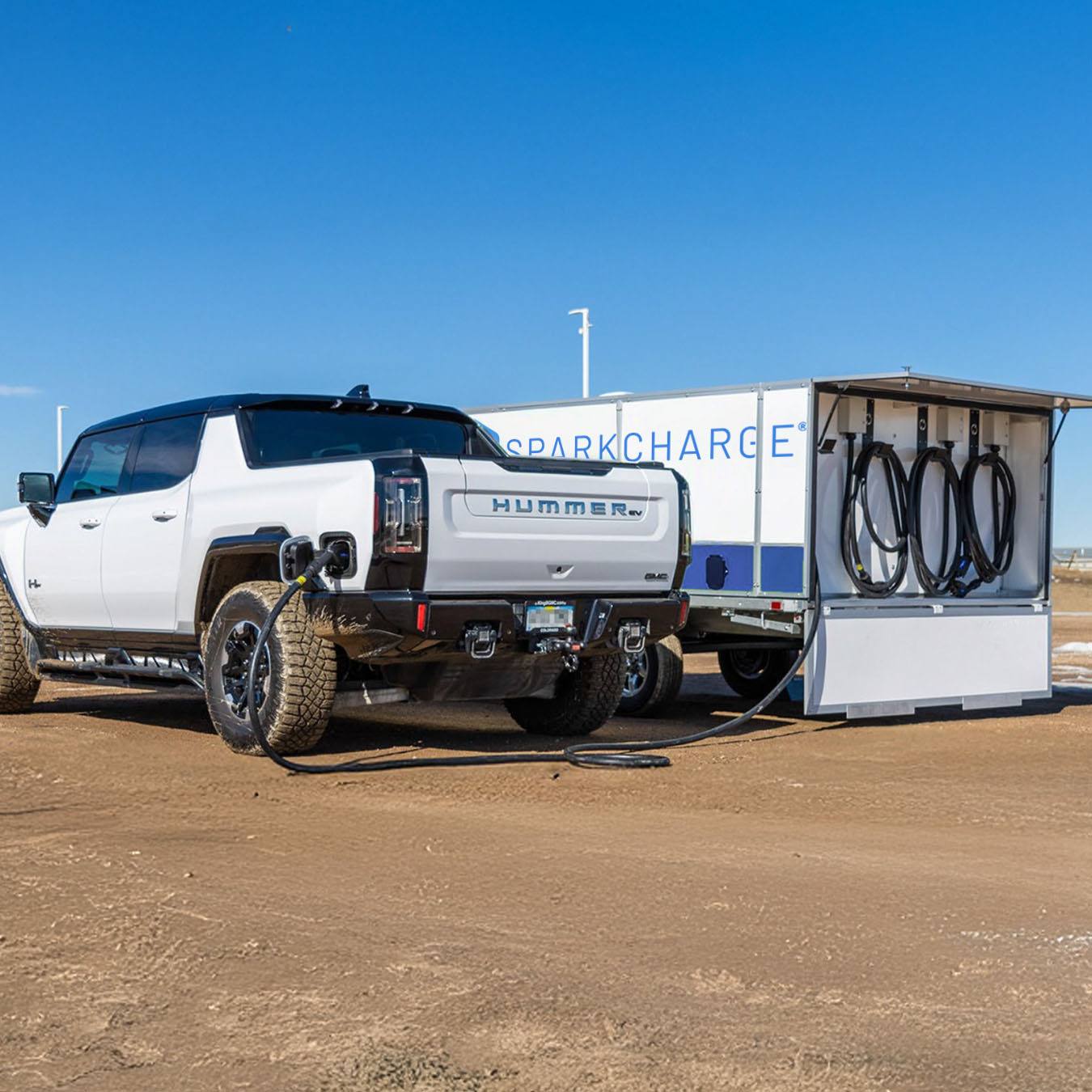
Charging-as-a-Service
SparkCharge deploys and operates the whole system, and SparkAI dispatches every session, so a driverless fleet never waits on a person to plug in.
$0
upfront capex
24/7
autonomous
99.9%
uptime
The grid-only route
Depot capacity can't match round-the-clock duty cycles
Every charging bottleneck is an idle, unearning vehicle
Charging left unmonitored between manual checks
Expansion gated by multi-year utility upgrades
The SparkCharge route
Always-on power sized to 24/7 operations
AI-managed software monitors charging autonomously, for seamless operations
On-site battery system or PowerHub generation means no grid buildout
Scales as you add vehicles and routes

SparkCharge has been named to ForbesBLK's inaugural list of 25 Top Black-Owned Businesses To Watch, recognizing companies selected for revenue, growth, longevity, and industry reputation.

For most of the past century, energy strategy was not really a strategy at all. You identified a site, applied for a utility connection, waited for it to arrive, and built your operation around it. The grid was the answer to every power question, and the only variable was how long you had to wait.
Contact us
Tell us about your operation and we'll map the fastest path to clean power on-site, usually within days. A SparkCharge energy expert will follow up shortly.
FAQ
Have another question? Reach out and our team will get you answers.
Contact Our Team ↗01
Can autonomous vehicle (AV) fleets charge 24/7?
▾
Yes. SparkCharge delivers always-on power sized to round-the-clock duty cycles, so an autonomous fleet never has to wait for a charging window. On-site battery energy storage systems (BESS) and PowerHub generation keep power available continuously, independent of grid capacity or utility hours.
02
Do AV fleets need a grid upgrade to add charging capacity?
▾
No. SparkCharge deploys on-site battery storage and PowerHub generation directly to your site, so charging capacity scales as you add vehicles and routes without a multi-year utility upgrade. This avoids the grid buildout that typically bottlenecks depot capacity for growing autonomous fleets.
03
How does SparkAI manage charging for a driverless fleet?
▾
SparkAI monitors charging autonomously across your entire fleet, monitoring sessions based on real-time vehicle state of charge (SOC) and route demand. This removes the need for manual scheduling or a person tracking charging status, keeping operations fully autonomous end-to-end.
04
What happens if an autonomous vehicle can't reach a charging station in time?
▾
SparkCharge's infrastructure is sized to your fleet's actual duty cycles, not fixed hours, so charging capacity is built to match round-the-clock demand rather than leaving vehicles idle waiting for an open station. Capacity scales as your fleet and routes grow, keeping charging available when vehicles need it.